
Weighing Systems

ISO 17025 Calibration Certificates: What’s on Them and Why It Matters

Most businesses that rely on industrial scales understand that regular calibration is important. Fewer take the time to look closely at the calibration certificate itself. That document is more than a receipt for a service call. It is the formal record of your scale’s accuracy at a specific point in time, and it carries significant […]

ISO 17025 Calibration Certificates: What’s on Them and Why It Matters Read More »
How Automated Weighing Reduces Human Error

Human error is one of the most persistent and costly problems in any weighing operation. A misread display, a transposed number on a ticket, a forgotten tare weight, or a distracted operator skipping a step can all produce inaccurate records that ripple through billing, inventory, compliance, and quality control. These mistakes are rarely intentional, but

How Automated Weighing Reduces Human Error Read More »

Temporary Jobsite Weighing: What Contractors Need to Know

Construction and contracting projects often require weighing capabilities at locations where no permanent scale infrastructure exists. Whether the job involves tracking material deliveries, verifying haul-off quantities, meeting DOT load limits, or documenting weights for billing purposes, having a reliable scale on site keeps the project accurate and compliant from start to finish. Temporary jobsite weighing

Temporary Jobsite Weighing: What Contractors Need to Know Read More »

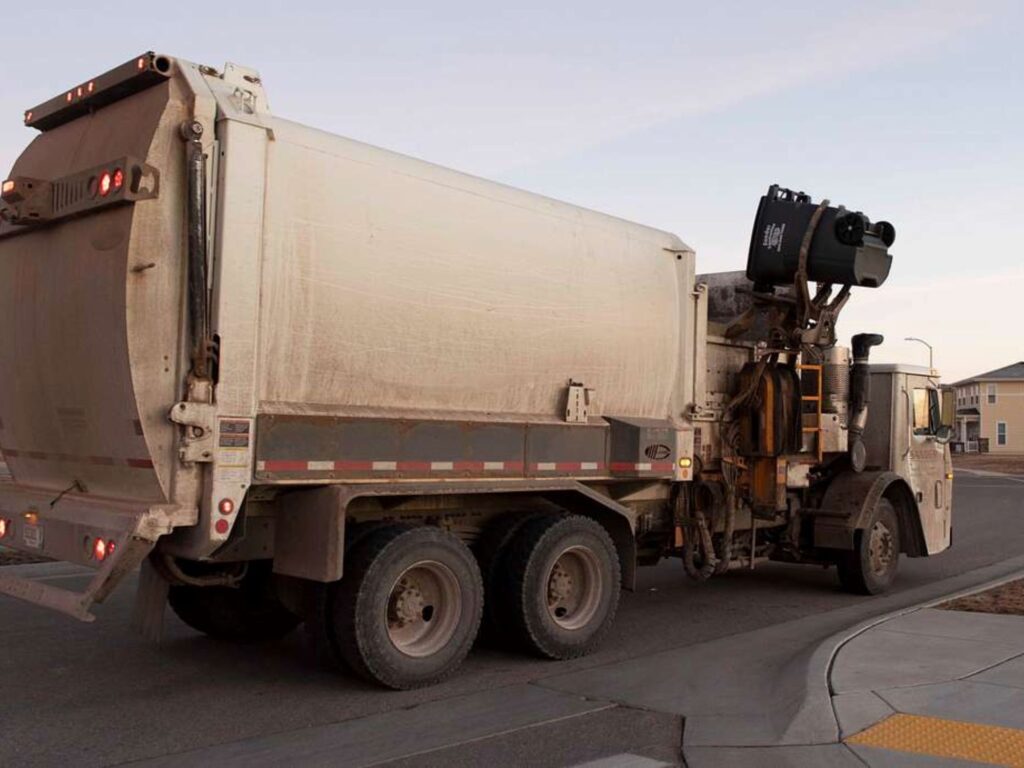
recycle & waste truck

Weighing Systems for Recycling and Waste Facilities: Preventing Revenue Leakage

Recycling and waste facilities operate on tight margins. Revenue is tied directly to the weight of incoming and outgoing material, whether the facility is charging tipping fees, selling recyclable commodities, or billing for hauling services. Every truck that crosses the scale represents a transaction, and when the scale is off, the facility loses money on

Weighing Systems for Recycling and Waste Facilities: Preventing Revenue Leakage Read More »

Avoiding Compliance Issues: Weighing System Best Practices for Audits and Inspections

A failed scale inspection can disrupt operations quickly. Depending on the industry, the consequences may include fines, suspended permits, rejected product, lost contracts, or a mandatory shutdown until the equipment is brought back into tolerance. For businesses that rely on accurate weight data for trade, billing, safety, or regulatory reporting, compliance is a continuous responsibility

Avoiding Compliance Issues: Weighing System Best Practices for Audits and Inspections Read More »

Automated Checkweighing: How It Reduces Giveaway and Improves Line Efficiency

Product giveaway is one of the most overlooked costs in manufacturing and packaging operations. Every time a package leaves the line with more product than required, that excess adds up. Over the course of a production run, even small overages can translate into significant lost revenue. Automated checkweighers address this problem by weighing every package

Automated Checkweighing: How It Reduces Giveaway and Improves Line Efficiency Read More »

Scale & Weighing solutions for the trucks and transportation industry

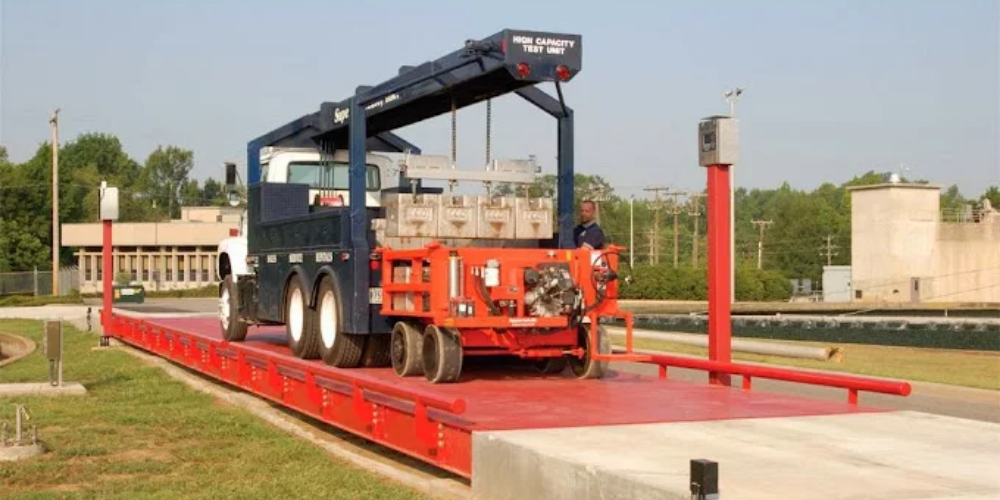
Common Mistakes When Purchasing or Renting a Truck Scale

Common Mistakes When Purchasing or Renting a Truck Scale Purchasing or renting a truck scale is a major investment that requires adequate research and careful consideration. Overlooking seemingly minor details or cutting corners during the purchasing process could leave you facing major operational headaches. With that in mind, here are some common mistakes when purchasing

Common Mistakes When Purchasing or Renting a Truck Scale Read More »

Truck Scale with orange truck

Understanding Hydraulic Load Cells: Applications and Principles

Understanding Hydraulic Load Cells: Applications and Principles Hydraulic load cells are the key component found in precise weight measurement systems used around the globe. Here’s everything you need to know about these versatile and ultra-reliable pieces of hardware. What Are Hydraulic Load Cells? A hydraulic load cell is a sensor that converts a mechanical force

Understanding Hydraulic Load Cells: Applications and Principles Read More »

scale installation

Load Testing vs. Stress Testing: Key Differences for Industrial Use

Load Testing vs. Stress Testing: Key Differences for Industrial Use You already know that your equipment is tough, but the only way to find out exactly how tough is by testing it. There are plenty of different ways to put your machinery under added strain, but the two most common are stress testing and load

Load Testing vs. Stress Testing: Key Differences for Industrial Use Read More »