
superiorscalesbrand

ISO 17025 Calibration Certificates: What’s on Them and Why It Matters

Most businesses that rely on industrial scales understand that regular calibration is important. Fewer take the time to look closely at the calibration certificate itself. That document is more than a receipt for a service call. It is the formal record of your scale’s accuracy at a specific point in time, and it carries significant

ISO 17025 Calibration Certificates: What’s on Them and Why It Matters Read More »
How Automated Weighing Reduces Human Error

Human error is one of the most persistent and costly problems in any weighing operation. A misread display, a transposed number on a ticket, a forgotten tare weight, or a distracted operator skipping a step can all produce inaccurate records that ripple through billing, inventory, compliance, and quality control. These mistakes are rarely intentional, but

How Automated Weighing Reduces Human Error Read More »

Temporary Jobsite Weighing: What Contractors Need to Know

Construction and contracting projects often require weighing capabilities at locations where no permanent scale infrastructure exists. Whether the job involves tracking material deliveries, verifying haul-off quantities, meeting DOT load limits, or documenting weights for billing purposes, having a reliable scale on site keeps the project accurate and compliant from start to finish. Temporary jobsite weighing

Temporary Jobsite Weighing: What Contractors Need to Know Read More »

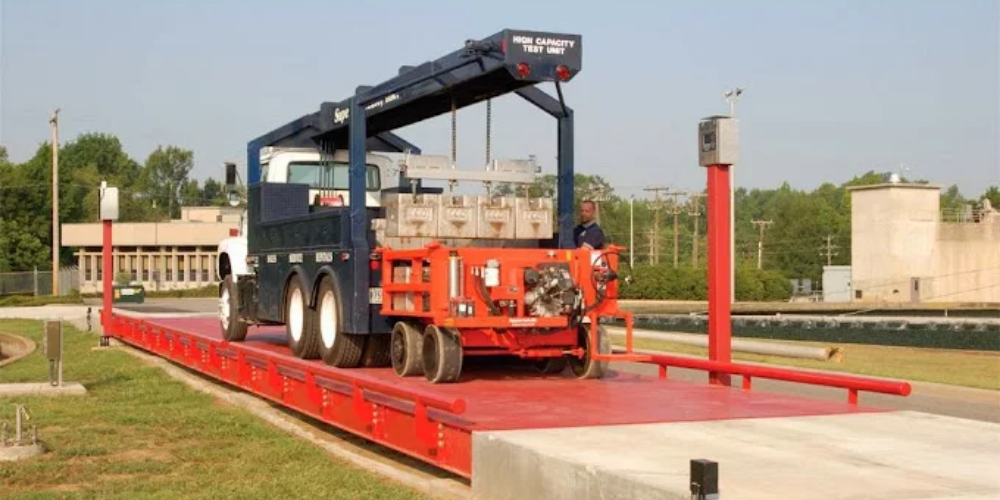
Truck Scale Maintenance

Designing a Truck Scale Layout for Maximum Throughput and Safety

A truck scale is only as effective as the layout surrounding it. The scale itself may be perfectly calibrated and in excellent condition, but if the approaches are too short, the traffic flow creates conflicts, or drivers cannot see where they need to go, the result is congestion, delays, and safety hazards. For facilities that

Designing a Truck Scale Layout for Maximum Throughput and Safety Read More »

recycle & waste truck

Weighing Systems for Recycling and Waste Facilities: Preventing Revenue Leakage

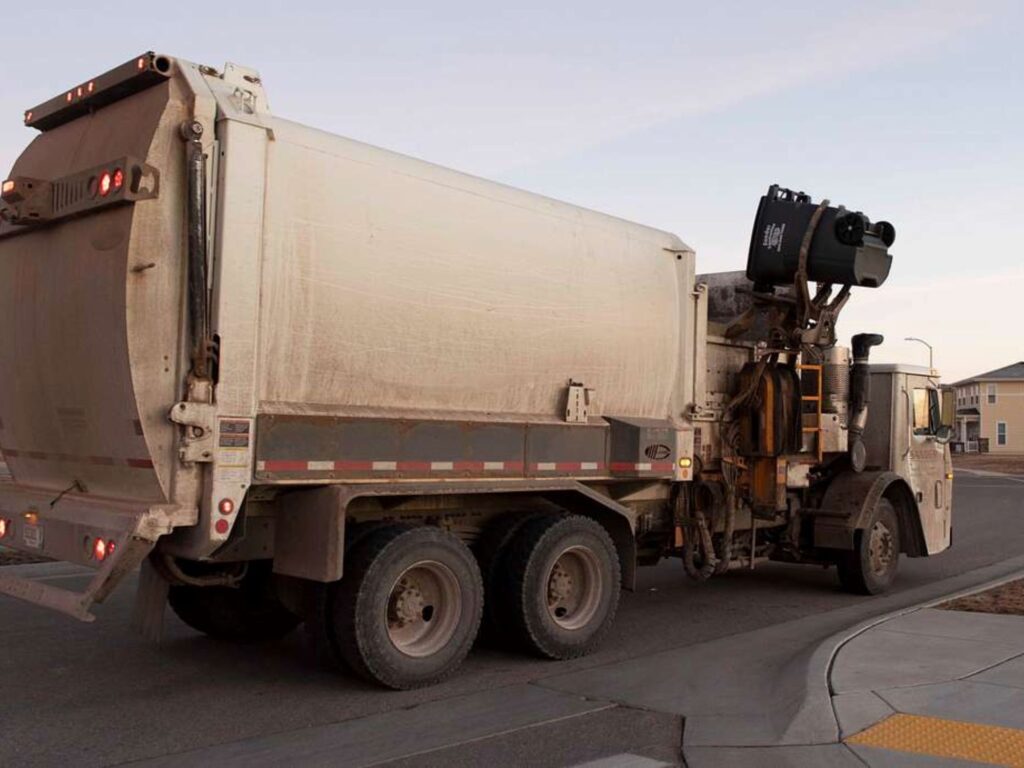
Recycling and waste facilities operate on tight margins. Revenue is tied directly to the weight of incoming and outgoing material, whether the facility is charging tipping fees, selling recyclable commodities, or billing for hauling services. Every truck that crosses the scale represents a transaction, and when the scale is off, the facility loses money on

Weighing Systems for Recycling and Waste Facilities: Preventing Revenue Leakage Read More »

Avoiding Compliance Issues: Weighing System Best Practices for Audits and Inspections

A failed scale inspection can disrupt operations quickly. Depending on the industry, the consequences may include fines, suspended permits, rejected product, lost contracts, or a mandatory shutdown until the equipment is brought back into tolerance. For businesses that rely on accurate weight data for trade, billing, safety, or regulatory reporting, compliance is a continuous responsibility

Avoiding Compliance Issues: Weighing System Best Practices for Audits and Inspections Read More »

Understanding Different Types of Load Cells and Where Each Works Best

Every industrial scale relies on a load cell to do the actual work of measuring weight. The load cell is the sensing element that converts mechanical force into an electrical signal, which is then processed by a digital indicator and displayed as a weight reading. Choosing the right type of load cell for your application

Understanding Different Types of Load Cells and Where Each Works Best Read More »

industrial batching system

Designing a Batching System: Weighing Considerations for Consistent Mix Quality

In any operation that combines raw materials by weight to produce a finished product, the batching system is where quality begins. Whether you are mixing concrete, blending animal feed, formulating chemicals, or producing food products, the accuracy and reliability of your weighing equipment directly determines how consistent each batch will be. A well-designed batching system

Designing a Batching System: Weighing Considerations for Consistent Mix Quality Read More »

How Weather and Environment Impact Truck Scale Accuracy

Truck scales are built to handle heavy loads and constant traffic, but they are still precision instruments. Environmental conditions such as temperature swings, moisture, wind, and electrical storms can all influence how a scale performs. For operations that depend on accurate weight data for billing, compliance, and material control, understanding these factors is an important

How Weather and Environment Impact Truck Scale Accuracy Read More »

guy spreading asphalt

Concrete and Asphalt Plant Weighing: Keeping Batches Accurate and Trucks Moving

In a concrete or asphalt plant, weighing touches nearly every part of the operation. Raw materials are batched by weight, finished loads are verified on truck scales, and regulatory agencies expect documented proof that both are accurate. When the weighing system performs well, batches come out on spec, trucks cycle through efficiently, and material costs

Concrete and Asphalt Plant Weighing: Keeping Batches Accurate and Trucks Moving Read More »